Your Cart is Empty

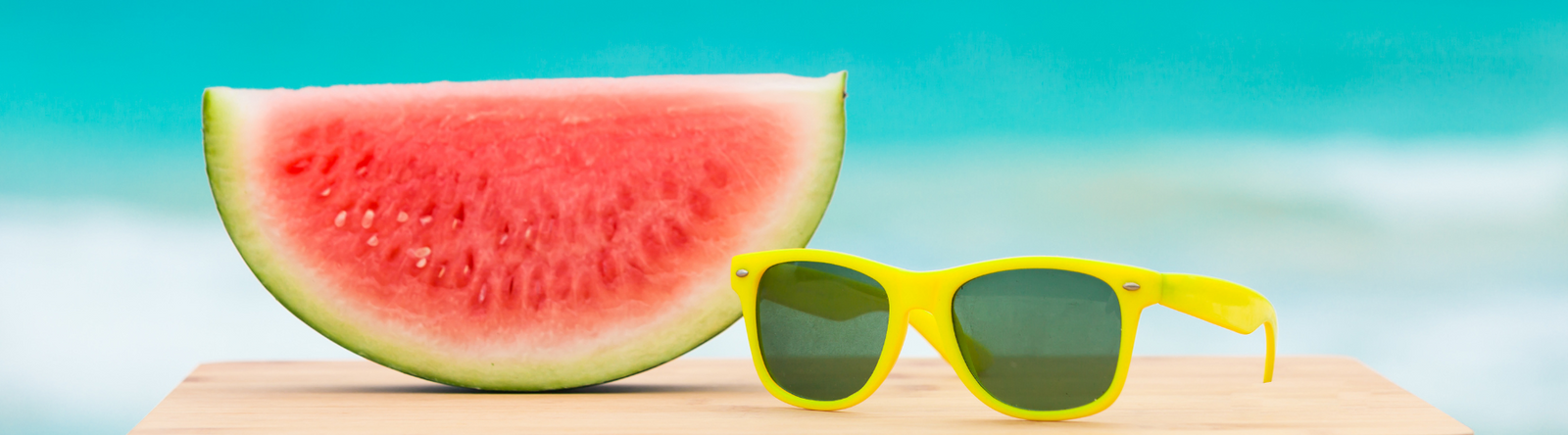

You may be wondering,“Do babies really need sunglasses?” Lots of parents will assume they don’t due to common misconceptions, lack of awareness, and practical challenges. However, science and opticians say otherwise: protecting a baby’s eyes from the sun is essential. This article will explain why baby eye protection matters, what to look for, and how to pick the right sunglasses.
There is lots of scientific basis for the use of baby sunglasses. One reason is that baby eyes are more vulnerable to UV radiation than adults’, given that their eye lens is still developing. Hence, their lenses are clearer, consequently letting in more light and UV rays. Sunglasses aim to minimise UV rays by blocking or absorbing UV radiation, reducing damage to the eyes. The World Health Organisation (a claim also backed up by Sheffield Childrens NHS) states that up to 80% of a person’s exposure to UV rays occurs before the age of 18. Therefore, it is vital to minimise this risk, starting from a young age. According to the NHS, exposure of a baby’s eyes to direct sunlight can cause permanent eye damage – take precautions before it is too late!
As well as scientific reasoning, the use of sunglasses is important for increasing your baby’s comfort whilst at the beach. Sunglasses reduce the glare and brightness from the sun, maximising comfort and minimising fuss – a win for both baby and parent. We apply SPF to protect baby skin without question, so why not protect the eyes too? Many parents use sunscreen to protect their child’s skin from damage. Likewise, exposure of the eyes to strong sunlight should be avoided at all times. A common myth adopted by many is that a baby does not need sunglasses as they are in the pram or shade – false. UV rays are reflected from various surfaces, which means that shade alone does not protect the baby’s eyes from the harmful damage caused by the sun.
There are many risks that come with not protecting young eyes from the sun – both in the short and long term. Long-term exposure to UV rays can increase the risk of developing cataracts, macular degeneration, and other vision problems later in life. These conditions often develop gradually, making early prevention especially important. In the short term, unprotected eyes may suffer from eye strain, squinting, light sensitivity, or temporary redness and irritation – especially after a day spent outdoors in bright conditions.
As shown in the diagram above, UV rays don’t just come from above; they reflect off surfaces like sand, water, snow and pavements, which can intensify exposure. Therefore, parents should be particularly cautious in highly reflective environments such as beaches, snowy areas, or urban streets. Even when a baby is shaded under a pram canopy, their eyes can still be exposed from the sides and below – making proper sunglasses an important part of sun safety.
Babies need sunglasses that do more than just look cute—they require proper UV protection, comfort, and safety. Key features to look for include UV400 lenses, which block 100% of both UVA and UVB rays to fully filter out harmful exposure and help prevent long-term eye damage. A CE mark and category 3 protection indicate the sunglasses meet European safety standards and are suitably tinted for bright sunlight, reducing glare without affecting visibility. A wrap-around style offers fuller coverage by minimising side light exposure, while soft, flexible frames increase comfort, reducing the risk of breakage, and are safe for babies to chew. Finally, an adjustable strap helps keep the sunglasses secure and in place during wear.
To get the best fit, it’s important to choose the right size for your baby’s head. Most baby sunglasses are sized based on head circumference, which can be measured using a soft measuring tape around the widest part of your baby’s head. A typical fit for 0-2 years is 38-49 cm. For 3-5 years, 48-53 cm usually fits as these sunglasses are slightly wider, making them suitable for growing children. Sunglasses for aged 5+ years are designed for school-aged children with more developed facial structures, fitting head sizes 52 cm and greater. The best baby sunglasses are made from BPA-free plastic, ensuring no harmful chemicals encounter your baby’s skin or mouth. Babies often chew, so materials should be non-toxic, chew-safe, and flexible. The lenses should be shatterproof to prevent any injuries. You should always check for CE (European) or UKCA (UK Conformity Assessed) markings. These certifications confirm that the products meet key safety standards and official requirements for sunglasses sold in the EU and UK.
A common worry is that the baby may not keep the sunglasses on, but with consistency, they can get used to them. The key is to start early and use them for short periods of time at first, allowing the baby to adjust to having them on. Treat sunglasses like any other sun protection – just as you would apply sunscreen or put on a sunhat, add sunglasses to the routine. A key tip is to let your baby see you wearing sunglasses – babies love to copy adults!
Some parents may think hats alone are enough, and although they are helpful, they don’t block UV rays reflecting off surfaces. They also don’t protect against side-angle sunlight, which can still reach the eyes. Sunglasses provide direct lens protection that hats simply can’t. Parents should be cautious when buying cheap sunglasses for their baby as some may lack proper UV protection. Dark lenses without UV filters cause the pupils to dilate, allowing even more UV light into the eyes, ultimately leading to more damage. Always look for UV400 lenses and CE marking to ensure they are safe and effective.
At Kids Happy House, we’ve carefully selected a range of sunglasses for babies that combine safety, comfort, and style – so you can protect little eyes with confidence. All our sunglasses feature category 3 lenses, offering excellent protection against bright sunlight and glare. Each pair is designed with UV400 filters to block 100% of harmful UVA and UVB rays. Our sunglasses are designed for babies aged 0-2+, with soft, flexible frames that are safe for teething and comfortable for all-day wear. They are available in a wide variety of coloured frames and lenses. Many styles now come with ear adjusters and head straps to keep them secure and prevent loss. Whether you’re off to the beach or out in the pram, our travel-friendly baby sunglasses are great for sunny days.
"Amazing sunglasses, kids love wearing them and always get compliments on how cool they are. Totally kid-proof too, worth the money for the quality and not repeatedly buying when they break." Fiona, Wilmslow.
"I wasn't sure how my baby would take to wearing sunglasses - she loves these! They are a great fit and look super cool too. She doesn't even try to pull them off 😎" Ali, Leeds.
"We bought two pairs of sunglasses and our LO won’t take them off. They look great, were well priced and look amazing." Richard & Ellie, Brampton.
"Very good sunglasses, flexible and secure, and our toddler loves them!" Alice, Bristol.
Protecting your baby’s eyes from the sun is just as important as protecting their skin. Sunglasses aren’t just a cute accessory – they're a simple, effective way to guard against long-term eye damage. By choosing a well-made, UV-protective pair, you’re investing in your child’s future eye health. Look for trusted, parent-recommended options that meet safety standards, and start the habit early.

Do babies really need sunglasses if they’re under a sunshade or pram or pushchair sun umbrella?
Yes — UV rays reflect off surfaces like sand, pavements, water, and even snow, reaching your baby’s eyes from different angles. Pram or pushchair umbrellas block direct light but not reflected rays from below or the sides.
Are all dark-lens sunglasses safe for babies?
Not necessarily. Some dark-lens sunglasses may look protective but don’t include proper UV filters. Always check for UV400 protection and CE/UKCA certification to ensure safety.
For more answers to common questions about protecting babies eyes in the sun, check out our full Baby Sunglasses FAQs.


Best Swim Goggles for Kids: Comfort, Safety & Confidence in the Pool...
Where Confidence Meets Clarity
We’ve all been there – that first swimming lesson as a child. The splashes, excitement mixed with nerves, and stinging eyes when the water enters.


Living in a happy house has always been so important to me; hence, when we started, I wanted to name the company something that was so special and encompassed us as a family. A happy house is one full of love,
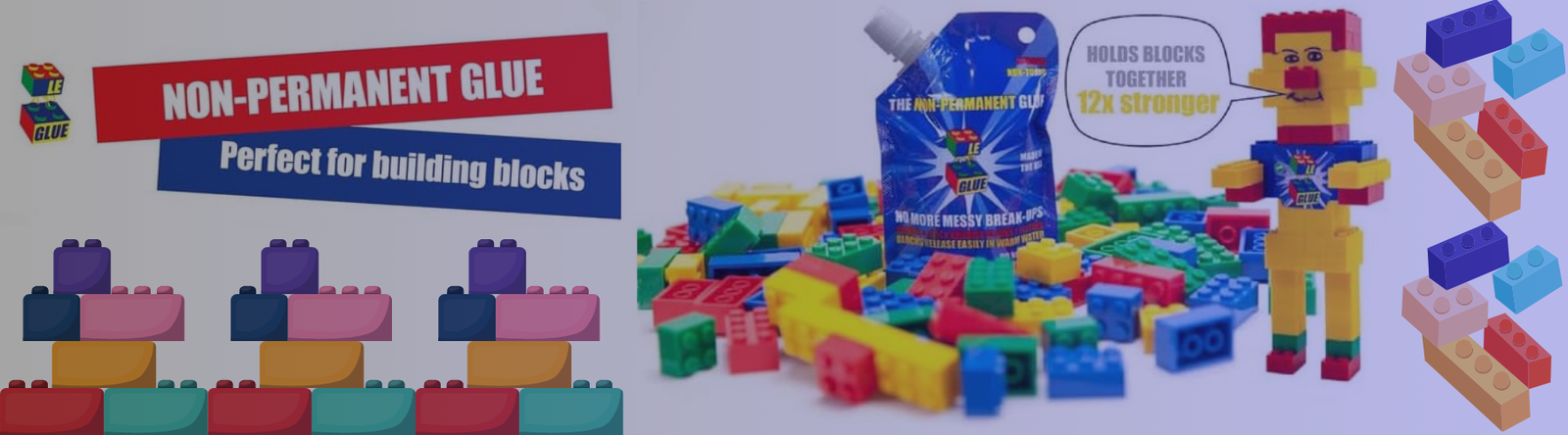

After spending hours building a castle, one accidental bump and – crash. Parents know the heartbreak of an epic LEGO build collapsing and the endless tantrums and fuss that comes with this. Parents desperately try and find solutions to end the tears and make the days more peaceful – but glue isn’t the answer, at least, not traditional glue.


With little ones wanting to be pampered from a young age, mini beauty rituals are on the rise. But you may be wondering,“Are kids’ nail polishes safe?”. While painting nails can be a fun activity, safety should always be a priority. That’s why it’s important to look at the ingredients inside those bottles of nail polish. Piggy Paint is a fantastic choice, offering non-toxic, water-based formulas that let kids enjoy the fun of painted nails without compromising safety