Your Cart is Empty


Table edges the often-overlooked hygiene consideration for young children. Table edges are easily forgotten as parents instinctively focus on cleaning plates, cutlery, and little hands as part of daily routines, but it’s worth paying more attention to harder to see surfaces and other overlooked areas that can accumulate everyday residue. Teething babies tend to explore horizontally, not politely in the middle of the table, and mouth first curiosity is completely developmentally normal.
Table edges are often an overlooked contact point largely because of how often they are touched without anyone really noticing. Hands naturally slide along edges when people sit down, stand up, pull chairs in or steady themselves, meaning these narrow surfaces get far more contact than we tend to realise. Additionally, everyday cleaning habits - when tables are wiped, cloths often push crumbs, spills, and residue outwards, where it quietly gathers along the edge rather than being removed entirely. Despite this, edges are rarely sanitised with the same care as tabletops, even when surfaces are cleaned regularly. It’s this combination of constant contact and unknown cleanliness that makes table edges a hidden hygiene blind spot, especially in environments shared by little ones who explore everything within reach.
It is easy to assume that home automatically means clean, but family tables live busy, multi-purpose lives. Dining tables are not just for meals - they are drop zones for keys, post, phones, bags, and laptops, all of which are handled constantly and are rarely sanitised before touching the table surface. Coffee tables often sit right at baby-mouth height, while kitchen islands blur the line between food prep, eating, and everyday clutter. Even with the best intentions, most cleaning at home is practical rather than perfect. Shared surfaces pass through multiple hands throughout the day, and while they may look clean, that does not always reflect how often they are actually touched.
Public health guidance helps explain why this matters. The UK Health Security Agency notes that you should “clean surfaces that people touch a lot,” which is why cleaning advice often focuses on contact points rather than visible dirt. The NHS also highlights thathands can easily pick up and spread germs from contaminated surfaces. reinforcing the idea that everyday touch, not just obvious mess, plays a role in hygiene. In other words, surfaces don't need to look dirty to be heavily handled. Table edges fit squarely into this category: heavily handled, rarely noticed, and often missed during routine cleaning.
When families eat out, hygiene moves largely out of parental control. In restaurants and cafés, tables are usually cleaned quickly between customers, with the focus on visible crumbsand spills. Edges, undersides, and curved surfaces are easy to overlook, especially in busy spaces with high customer turnover and shared furniture. Food safety standards quite rightly prioritise food preparation areas, and the Food Standards Agency explains that “effective cleaning and disinfection are essential where food is prepared and handled.” Furniture used by customers sits outside those core priorities, which helps explain why table edges don’t always receive the same attention. Parents may bring wipes or highchair covers, but table edges remain exposed, and wipes aren’t particularly effective on vertical or textured surfaces anyway.
Outdoor eating and travel add another layer of unpredictability. Picnic benches, pub garden tables and café seating are exposed to weather and environmental residue, often made from wood or textured materials that are harder to clean thoroughly. Travel environments such as campsites, holiday rentals, shared Airbnb kitchens, beach cafés and food trucks all operate under different cleaning routines. The issue isn’t that these spaces are unsafe, it’s that they’re unknown. Travel introduces inconsistent hygiene standards, which makes everyday exposure harder to judge.
Teething makes all of this more relevant. Babies don’t interact with tables the way adults do. Mouthing increases during teething, not because something is wrong, but because babies are seeking pressure, texture, and resistance as part of normal development. The NHS reassures parents that babies start teething between 4-12 months old while early-years guidance explains that young children learn about their environment through sensory exploration, including touch and mouthing. This means babies experience tables very differently to adults, focusing on edges, textures and reach rather than flat surfaces and as a result, table edges sit at the perfect height and angle - firm, reachable and easy to latch onto - making them a natural focus for curious little mouths. Many parents notice this the first time their baby leans forward and latches onto the table edge in a cafe or restaurant.
Understanding how hands and surfaces interact also helps put this into context particularly through repeated contact with shared surfaces. Adults slide their hands along table edges when sitting down, standing up or pulling chairs in, often without realising it. Babies then explore those same areas in their own way, through touch and mouth, long after the table has been wiped clean.
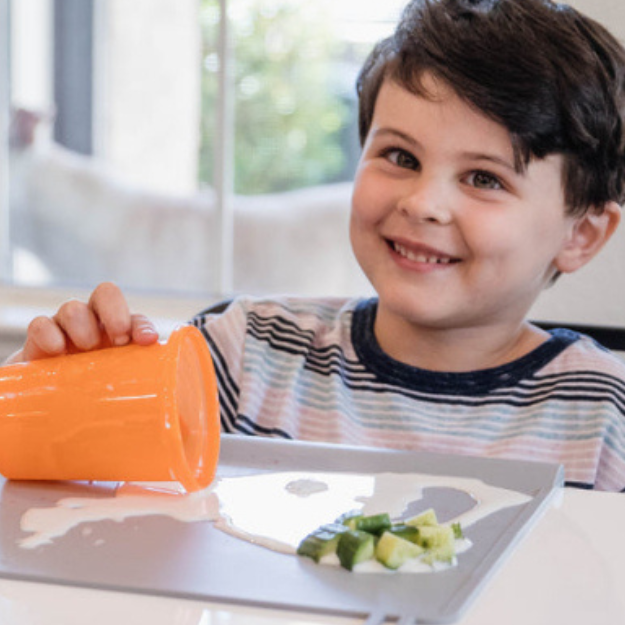
Reducing everyday exposure doesn’t mean aiming for sterile environments. It’s about practical choices that work with real family life. Creating a defined eating zone can be more effective than constant wiping and using physical barriers can help limit contact with areas that are harder to clean properly. Flat placemats protect what’s directly underneath food, but they do not address the edges that babies naturally reach for. Thinking in terms of containment rather than constant cleaning often feels more realistic as well as more achievable, this is where Table Tyke Kids Placemats become a practical & thoughtful solution. The silicone placemat is not only lightweight, portable, and easy to clean, but features a thick edge that drapes over table edges, supporting teething while helping to reduce contact with shared surfaces that curious mouths might reach.
This is about awareness, not anxiety. Children ultimately do benefit from normal interaction with the world around them, and parents don’t need to eliminate every risk. However, small design choices can reduce everyday contact with unknown surfaces, especially in shared or unpredictable environments. Thinking beyond the plate - to edges, reach zones and real behaviour - reflects the reality of modern parenting and the spaces families actually move through every day.

Wipe both the surface and the edge when cleaning wherever you are.
Be mindful of shared outdoor tables and leftover residue.
Create a defined eating area
Use a barrier when eating out like the Table Tyke mentioned above.
Not necessarily — but consider that they are often handled more frequently and cleaned less thoroughly. Table surfaces tend to receive attention because they’re where food sits and visible spills occur. Edges, on the other hand, are touched often, yet they’re easy to miss during routine cleaning. It’s less about one area being “dirtier” and more about how often it’s handled compared to how often it’s cleaned.
Wiping the table thoroughly is always a good step. Cleaning reduces visible residue and everyday contamination. However, wiping typically focuses on the flat surface and may not always include the edge or underside, particularly in shared environments. In busy settings like cafés or restaurants, cleaning may prioritise speed and visible surfaces.
Baby wipes are useful for quick clean-ups, but there is a distinction between wipes designed for skin and surface disinfection. They will remove visible residue, but they may not be formulated to sanitise hard surfaces. They’re helpful — just not a complete solution on their own.
No. Babies benefit from normal interaction with their environment as part of everyday development. Health guidance consistently supports balanced hygiene rather than sterility. The aim is to make sensible choices in situations where surfaces are heavily handled or unfamiliar. Practical precautions, rather than perfection are the aim.
Often, yes. Smooth surfaces like sealed plastic or metal are generally easier to wipe thoroughly. Wooden and textured outdoor tables can have small grooves or weathered areas that trap residue and make thorough cleaning more difficult. This doesn’t make them unsafe, but it does mean cleaning results can vary depending on the material and condition of the surface.
Food-grade and medical-grade silicone are widely used in baby products because they are durable, heat-resistant and non-porous. Regulatory bodies set standards for materials that come into repeated contact with food. When a product is clearly labelled as food-safe and BPA-free, it indicates that it meets those safety criteria. As with any product, it’s important to follow manufacturer care instructions to maintain cleanliness and longevity.
Occasional mouthing of shared surfaces is common during early development. Babies explore through touch and mouth, particularly during teething. While shared surfaces can carry everyday contamination, brief contact in normal settings does not automatically mean harm. The aim isn’t to prevent all exploration, but to reduce unnecessary exposure in situations where surfaces are heavily handled or unfamiliar.



Best Swim Goggles for Kids: Comfort, Safety & Confidence in the Pool...
Where Confidence Meets Clarity
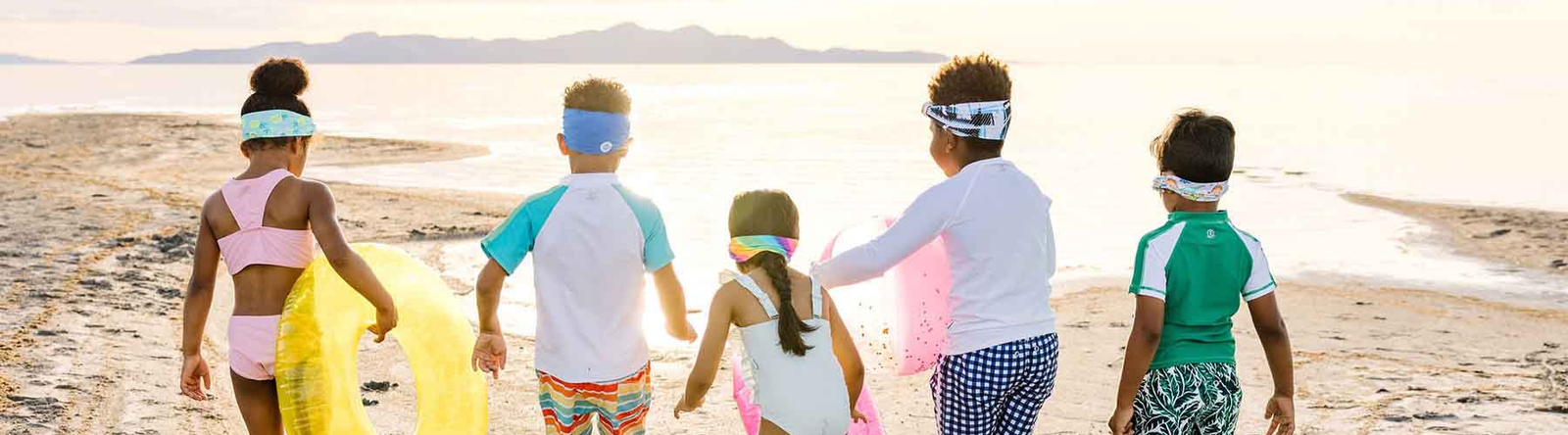
We’ve all been there – that first swimming lesson as a child. The splashes, excitement mixed with nerves, and stinging eyes when the water enters.


Living in a happy house has always been so important to me; hence, when we started, I wanted to name the company something that was so special and encompassed us as a family. A happy house is one full of love,
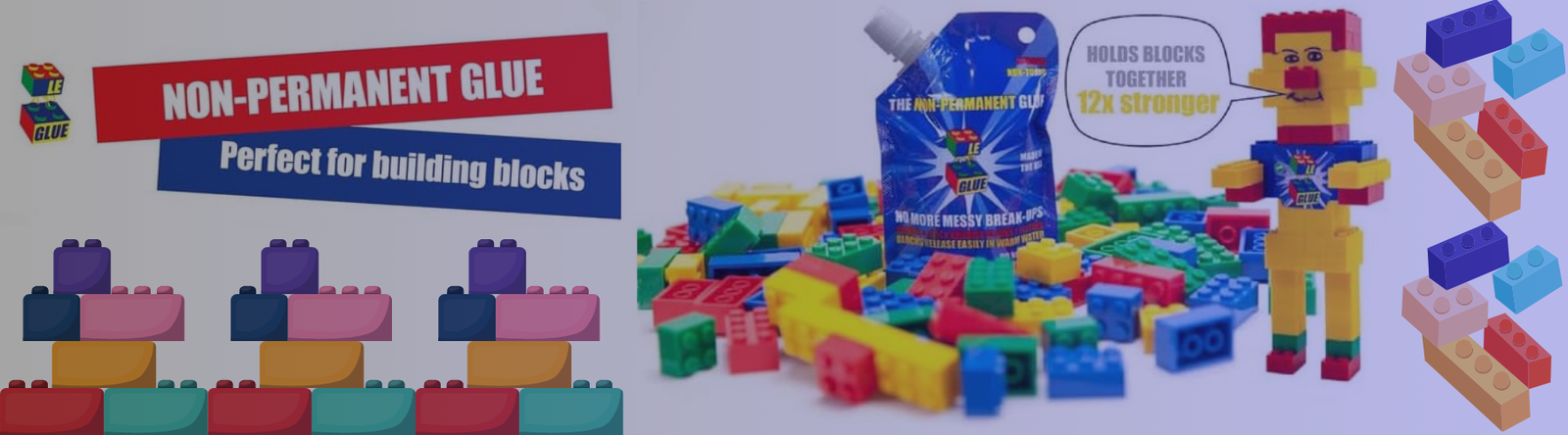

After spending hours building a castle, one accidental bump and – crash. Parents know the heartbreak of an epic LEGO build collapsing and the endless tantrums and fuss that comes with this. Parents desperately try and find solutions to end the tears and make the days more peaceful – but glue isn’t the answer, at least, not traditional glue.


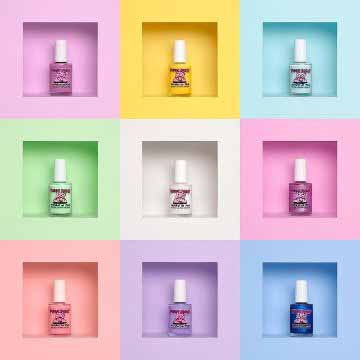
With little ones wanting to be pampered from a young age, mini beauty rituals are on the rise. But you may be wondering,“Are kids’ nail polishes safe?”. While painting nails can be a fun activity, safety should always be a priority. That’s why it’s important to look at the ingredients inside those bottles of nail polish. Piggy Paint is a fantastic choice, offering non-toxic, water-based formulas that let kids enjoy the fun of painted nails without compromising safety